

Credit Union Statement Outsourcing, Customer Experience and Engagement
Credit Union Print and Mail Outsourcing: The Complete Operational Guide


Managing member statements in-house creates ongoing friction for internal resources. Capital leases on inserters, paper and envelope inventory management, rising USPS rates, and fixed regulatory deadlines turn a routine monthly process into an operational bottleneck.
Outsourcing print, mail, and electronic presentment lets credit unions reallocate operational staff back to member-facing service. A specialized transactional partner removes machine maintenance and staffing issues while tightening data security, postal logistics, and member retention.
In-House vs. Outsourced Statement Processing: The Cost Breakdown
Running an internal mailroom appears predictable on paper. The indirect operational expenses tell a different story.
| In-House Operations | Outsourced Print and Mail |
| Heavy capital expenditure and continuous machine depreciation | Predictable, variable per-piece cost structure |
| Full-time prepress, machine operator, and mailroom staff | Zero equipment maintenance, calibration, or staffing overhead |
| Single-meter retail or basic commercial base postage rates | High-density postal commingling and other UPSP discounts |
| Single point of failure when equipment jams or parts break | Redundant facilities with automated disaster recovery routing |
Digital presses and intelligent multi-station inserters tie up capital. Routine service agreements cost tens of thousands of dollars each year. When an inserter sensor misreads a mark during month-end processing, staff scramble to clear queues and re-run jobs. Overtime accumulates fast.
Postage remains the single largest recurring cost in monthly statement delivery. In-house mail operations rarely generate the density needed for top-tier workshare discounts. Outsourced providers aggregate mail volumes across clients, standardize addresses, and presort down to five-digit ZIP codes. Those postal savings alone often offset the production fees.
Core Banking Integration: Data Formats and Ingestion

The central hesitation in vendor evaluation is core processing compatibility. Credit union operations teams work within platforms like Symitar (Jack Henry), Corelation (KeyStone), Fiserv, and FIS. They cannot afford custom script errors or prolonged data conversions.
A dedicated print and mail partner ingests native files without forcing changes to upstream core systems.
- Automated File Handshake: Files push via automated, encrypted SFTP tunnels immediately after month-end batch cycles finish.
- Flexible Parsing Engines: Prepress systems ingest native output—including raw line-data, XML, and print-ready PDF streams—and map records to approved layout templates.
- Side-by-Side Validation: Parallel production runs compare fresh output against historical statement runs. Balance totals, interest calculations, and transaction records match to the penny before live mail flies.
Regulatory Compliance: NCUA, GLBA, and Member PII Safeguards
Member financial data requires strict chain-of-custody controls. Sending sensitive records outside your firewall demands proven governance.
Credit union operations fall under continuous scrutiny from the NCUA and must comply strictly with the Gramm-Leach-Bliley Act (GLBA) and CFPB disclosure timelines. A print partner operates as an extension of your internal compliance program.
Key controls must include:
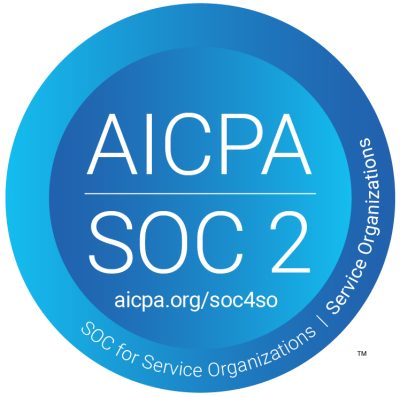
- SOC 2 + HITRUST CSF Certification: Annual independent audits validating controls across security, processing integrity, and data confidentiality.
- Automated 2D Data Matrix Tracking: Every printed page includes an automated 2D barcode. Inserter cameras read each code dynamically, matching multi-page sets and halting the track instantly if a sheet is out of sequence. This prevents statement co-mingling errors.
- Audit-Ready Dashboards: Secure portals provide real-time visibility into the exact minute a file is processed, printed, inserted, and transferred to the postal service.

Member Retention: Turning Statements into Cross-Selling Engines
Monthly statements hold unmatched attention. Members open, review, and retain them. Treating these documents as plain accounting logs wastes valuable physical and digital territory.
Smart layout design turns mandatory correspondence into an active product adoption driver.
- Variable Data Personalization: Replace generic envelope stuffers with dynamic, on-statement panels. Cross-sell home equity lines of credit (HELOCs), auto refinance rates, or certificate promotions based on the member’s specific relationship tier or loan history.
- Spot Color for Visual Hierarchy: Direct the member’s eye with purposeful color. Emphasize due dates, total balances, and accrued interest so key details are easy to locate. Clear layouts reduce routine inbound calls to branch and phone support teams.
- Transpromotional Efficiency: Delivering targeted offers directly within the monthly statement envelope removes the print and postage costs of standalone direct mail cards.
Hybrid Delivery: Unifying eStatements and Physical Mail
Credit union demographics vary widely. Digital natives prefer mobile self-service. Other segments rely on physical statements for budgeting and personal records.
A solid communications strategy handles both paths inside a single, unified data stream rather than separate, disjointed platforms.
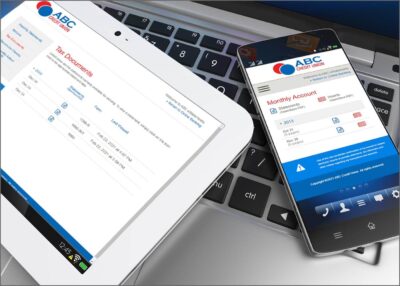
- Single Sign-On (SSO) Integration: Embed ePresentment directly within existing online and mobile banking interfaces. Members access PDF statement archives without extra passwords or third-party redirects.
- Automated Electronic Notifications: Trigger instant SMS and email alerts containing secure links the moment eStatements post.
- Delivery Failure Backups: Real-time dashboards track email bounces and undeliverable notices. System rules automatically route failed electronic deliveries to physical print queues, ensuring compliance with delivery mandates.
Migration Blueprint: What to Expect During Vendor Transition
Transitioning away from an internal mailroom or onboarding with a new print provider follows a structured phase plan.
[Phase 1: Discovery & Audit]
- Review data extracts, statement formats, and special stock requirements.
       │
       ▼
[Phase 2: Template Setup & Logic]
- Rebuild statement layouts, dynamic rule sets, and compliance disclosures.
       │
       ▼
[Phase 3: Secure Conduit Provisioning]
- Configure automated SFTP pipelines with PGP encryption and user permissions.
       │
       ▼
[Phase 4: Sample Runs & Scanning Checks]
- Print test batches using masked data to verify fold marks and 2D camera reads.
       │
       ▼
[Phase 5: Parallel Live Run]
- Process an active month-end cycle in tandem with existing workflows to audit data.
       │
       ▼
[Phase 6: Full Cutover & Portal Access]
- Launch live production with full tracking through client-facing reporting dashboards.
Frequently Asked Questions
How do credit unions handle core platform data mapping during a transition?
Your provider maps sample line-data, PDF, or XML extracts directly from your core banking system (such as Symitar or Corelation) into custom document templates. No changes to your underlying core configuration are required.
What certifications should a credit union require from an outsourced print vendor?
Look for current SOC 2 Type II audit reports, HITRUST CSF certification, documented Business Continuity and Disaster Recovery plans, and automated optical barcode verification systems on all insertion machinery.
How does outsourcing lower USPS postage costs?
Outsourced print partners aggregate mail from multiple clients. They standardize addresses with CASS-certified software, update moves via NCOA, and presort mail for drop-shipping deeper into the USPS network, unlocking high-density workshare discounts.
Can one vendor manage both physical statements and digital eStatements?
Yes. Modern transactional communication engines accept a single core data feed and split the output based on member profile preferences, routing records to secure online ePresentment portals or high-speed production printers.

FSSI: Your Strategic Print Partner for Member Communications
FSSI delivers an end-to-end suite of print, mail, and digital presentment solutions built around the unique operating needs of credit unions. Backed by over four decades of service to financial institutions, FSSI provides:
- End-to-End Statement Operations: High-speed print, fold, insert, and postal optimization under one roof.
- Core Processing Integration: Proven compatibility with leading core banking outputs and custom data streams.
- Audited Data Governance: SOC 2 + HITRUST CSF certifications ensuring rigorous PII protection.
- Predictable Production Costs: Elimination of equipment leases, parts maintenance, and staffing bottlenecks.
- Integrated ePresentment: Hosted portals, mobile-friendly viewer tools, and Single Sign-On (SSO) connectivity.
- Dynamic Variable Data Messaging: On-statement promotions and targeted cross-sell campaigns driven by member data.
- Unified Multi-Channel Output: Coordinated delivery across print, email alerts, and digital archives.
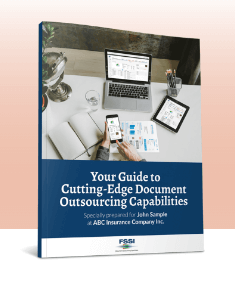
Ready to streamline month-end production, protect member data, and cut down postage expenses? Call FSSI directly at 714.436.3300 to speak with a credit union communications specialist, or build a custom capabilities brochure to explore services tailored to your operational requirements.
